
Faculty of Law – Chaudhary Charan Singh University (CCSU), Meerut
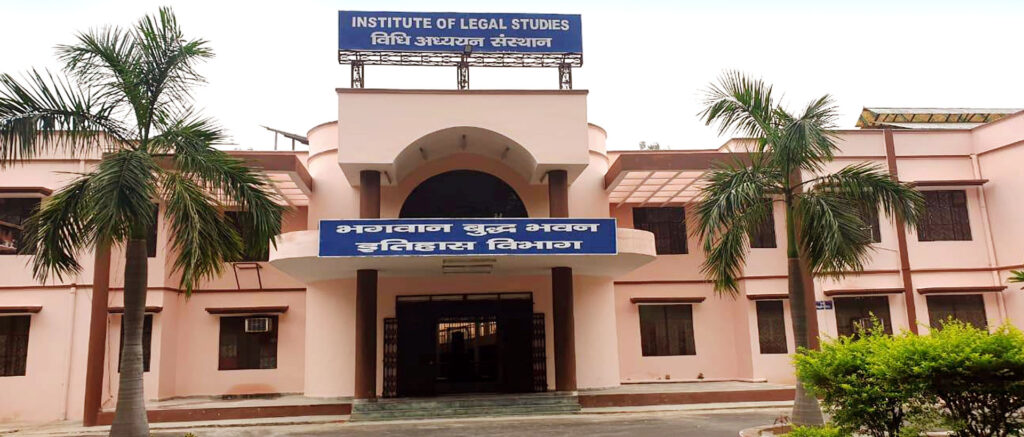
Description
1. Introduction – Faculty of Law CCSU
Faculty of Law CCSU, Meerut is the dedicated legal education centre of Chaudhary Charan Singh University.
The Faculty of Law at CCSU, Meerut—officially known as the Institute of Legal Studies—is the academic unit responsible for legal education within the university. It is a Bar Council of India (BCI)-approved centre for legal studies and is committed to cultivating competent legal professionals who can engage with dynamic socio-legal challenges in India and abroad.
2. Historical Background
Chaudhary Charan Singh University (formerly Meerut University) was established in 1965 to expand higher education in western Uttar Pradesh. The Faculty of Law, under the Institute of Legal Studies, was later set up in 2003 to meet the growing demand for legal education. Since then, it has continuously expanded its programs and facilities to align with contemporary legal needs.
3. Key Highlights
BCI Approved: All legal courses at CCSU are recognised by the Bar Council of India, ensuring national eligibility for legal practice.
Practical Exposure: Moot courts, legal seminars, and workshops integrated into curriculum.
Experienced Faculty: Academic bodies with research and practice expertise in various law domains.
Career Pathways: Alumni succeed as advocates, judicial officers, corporate legal advisors, researchers, and civil servants.
Infrastructure: Library, seminar halls, smart classrooms, Wi-Fi campus.
4. Law Courses & Programs Offered
Here’s a complete and updated table of law programs available under the Faculty of Law at CCSU, Meerut:
| Program / Study Program | Duration | Eligibility | Remarks |
|---|---|---|---|
| LL.B. (Three-Year) | 3 Years | Graduate degree with minimum marks (as per university norms) | Full-time law degree for graduates. |
| B.A., LL.B. (Integrated) | 5 Years | 10+2 with minimum aggregate (university criteria) | Integrated undergraduate degree. |
| LL.M. | 2 Years | LL.B. (3 or 5 Year) with minimum marks | Master of Laws for advanced specialization. |
| Ph.D. in Legal Studies | Variable | As per UGC/University norms | Research program for scholars in law. |
Note: CCSU also offers Pre-Ph.D. coursework and research guidance as part of its doctoral programs.
5. Top 10 Reasons to Choose CCSU Faculty of Law
BCI Recognition: Courses approved by the Bar Council of India.
Comprehensive Law Curriculum: Covers traditional, constitutional, criminal, and modern legal domains.
Integration of Theory & Practice: Moot courts, practical assignments, and case studies.
Dedicated Research Opportunities through Ph.D. programs.
Experienced Legal Faculty with strong academic backgrounds.
Industry & Moot Engagements: Student exposure to legal professionals.
Placement Support: Law graduates get opportunities in judiciary support, corporate firms, NGOs, and public sectors.
Inclusive Learning Environment: Students from across India choose CCSU for legal education.
Growing Legal Network through alumni and association.
Affordable Education: Public university with competitive fee structure compared to many private law colleges.
6. NIRF Ranking of the University
While specific NIRF ranking for law programs is not separately published, CCSU’s overall institutional ranking serves as an indicator of its academic quality:
| Ranking Body | Rank / Category |
|---|---|
| NIRF 2025 – University Category | 151-200 (Approx.) |
| NIRF State Public Universities (2025) | 41 |
| QS Asia University Rank (2024) | 701-750 (Asia) |
These rankings reflect CCSU’s standing among Indian and international academic institutions.
7. Key Features of Faculty of Law CCSU
Holistic Legal Curriculum: Combines constitutional law, criminal law, corporate law, human rights, and more.
Industry-Oriented Training: Workshops and internship opportunities for real-world legal exposure.
Rigorous Assessment: Regular internal tests and semester exams aligned with legal standards.
Library & Digital Resources: Access to legal texts, journals, and online research databases.
Peer Interaction & Debates: Moot court competitions, debates, and legal symposiums.
Urban Campus Life: Located in Meerut with access to courts and legal institutions for practical exposure.
Conclusion
Faculty of Law CCSU continues to be a preferred choice for law aspirants in North India.
The Faculty of Law at Chaudhary Charan Singh University (CCSU), Meerut, offers a comprehensive legal education ecosystem—from undergraduate law degrees to advanced research. With accredited courses, a blend of theoretical knowledge and practical training, and a strong academic framework, CCSU provides a promising pathway for aspiring legal professionals in India.
This college is also listed in our College Directory, where students can compare law colleges based on courses, location, and eligibility.
University Snapshot
Location
Prayagraj, Uttar Pradesh, India
University Status
Central Public University
Established
University founded in 1887
Law Faculty
Legal education began in 1872
NIRF Rank (Law)
Featured in NIRF Law Rankings 2025
NAAC Grade
Accredited with A+ Grade by NAAC
Intake Session
July–August (Annual Intake)
Law Courses at Faculty of Law, University of Allahabad, Prayagraj
Below are the major law programs offered, along with key eligibility, duration, and admission details.
LL.B (3 Years)
Duration: 3 Years
Eligibility: Graduation in any discipline from a recognized university
Admission Process: AU LAT / PGAT-LLB
Approx Fees: ₹5,000 – ₹6,000 per year
BA LL.B (Hons.) – 5 Year
Duration: 5 Years (Integrated)
Eligibility: 10+2 or equivalent with the minimum percentage prescribed by the university
Admission Process: Through CUET-UG followed by University of Allahabad counselling
Approx Fees: ₹1.6 – 1.75 lakh
LL.M ( 2 Years)
Duration: 2 Years
Eligibility: LL.B. degree with minimum marks prescribed by the university
Admission Process: Through PGAT / PG Admission process conducted by the university
Approx Fees: ₹30,000 per year
Ph.D in Law
Duration: 3–6 Years
Eligibility: LL.M. with required percentage under UGC regulations
Admission Process: CRET / UGC-NET /as per university research admission rules
Fees: As per university norms
Address



CQUniversity Australia Law Programs 2026 – Fees, Eligibility, Intakes, Campuses & Admission Guide
- Government
- LLM Abroad, Juris Doctor (JD), Doctor of Juridicial Science (S.J.D), PhD in Law



University of Queensland Law School Australia: Courses, Fees, Eligibility, Admissions & PhD Guide 2026
- Government
- LLB (3 Years), LLM Abroad, Juris Doctor (JD), PhD in Law
University of Chicago – The Law School
- Private Institution
- LLM Abroad, Juris Doctor (JD), Doctor of Juridicial Science (S.J.D)
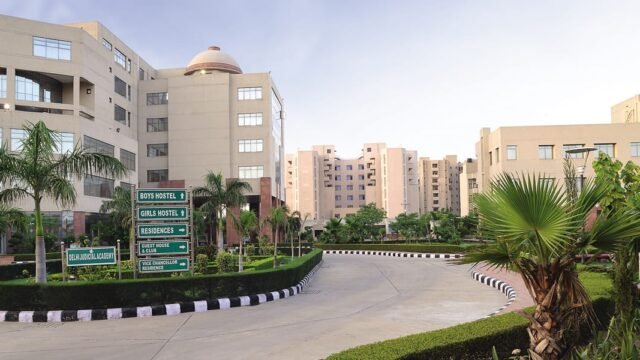


National Law University Delhi (NLU Delhi) – Courses, Fees, Admission, AILET Cut-Off, Ranking (2026)
- National Law University
- B.A. LLB (5 Years), LLM India, PhD in Law




University of Virginia (UVA) – School of Law
- Government
- LLM Abroad, Juris Doctor (JD), Doctor of Juridicial Science (S.J.D)



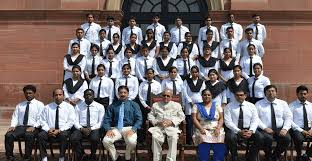
Durgapur Institute of Legal Studies (DILS), Durgapur
- Private Institution
- LLB (3 Years), B.A. LLB (5 Years)
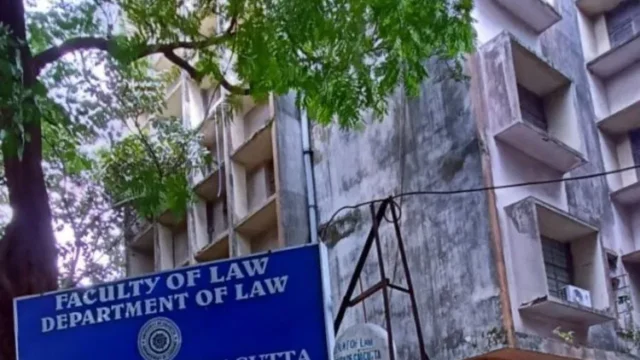


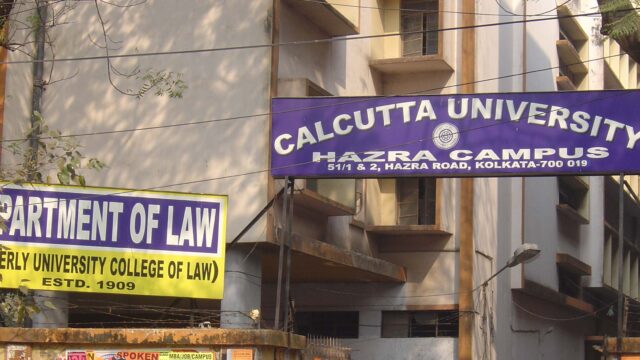
Department of Law, University of Calcutta
- Government
- B.A. LLB (5 Years), LLM India
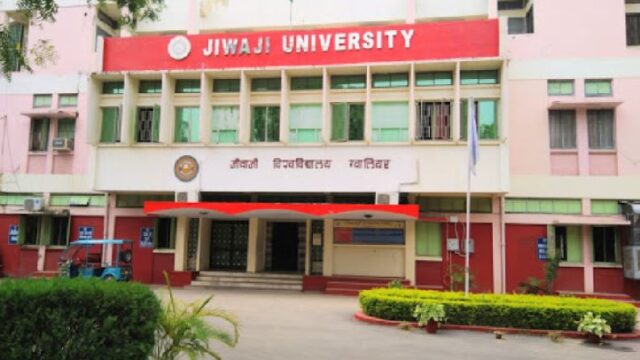

Institute of Law – Jiwaji University, Gwalior
- Government
- LLB (3 Years), B.A. LLB (5 Years), B.Com (5 Years), LLM India
